


Copper has been of crucial significance to the humankind development since the dawn of civilization. The twenty-ninth element of the Periodic Table was the first metal used for productive activities in antiquity and is distinguished by its excellent thermal and electrical conductivity.
Due to its key role in economic development and innovation, copper has been designated as a raw material of strategic and critical importance under the Critical Raw Materials Act, adopted by the Council of Europe. In total, 34 commodities are classified as critical and 17 as strategic commodities. All of them play a decisive role in the green transition, digital transformation, defense industry, and space exploration. From the perspective of these materials, the Act sets three objectives for the European Union: at least 10% to be sourced from domestic mining, 25% from recycled materials, and 40% to be processed within Europe.
The journey of copper at Asarel-Medet JSC began at the Asarel open-pit mine, where approximately 45 million tonnes of material are mined per annum. The ore is then transported to the concentrator plant, where 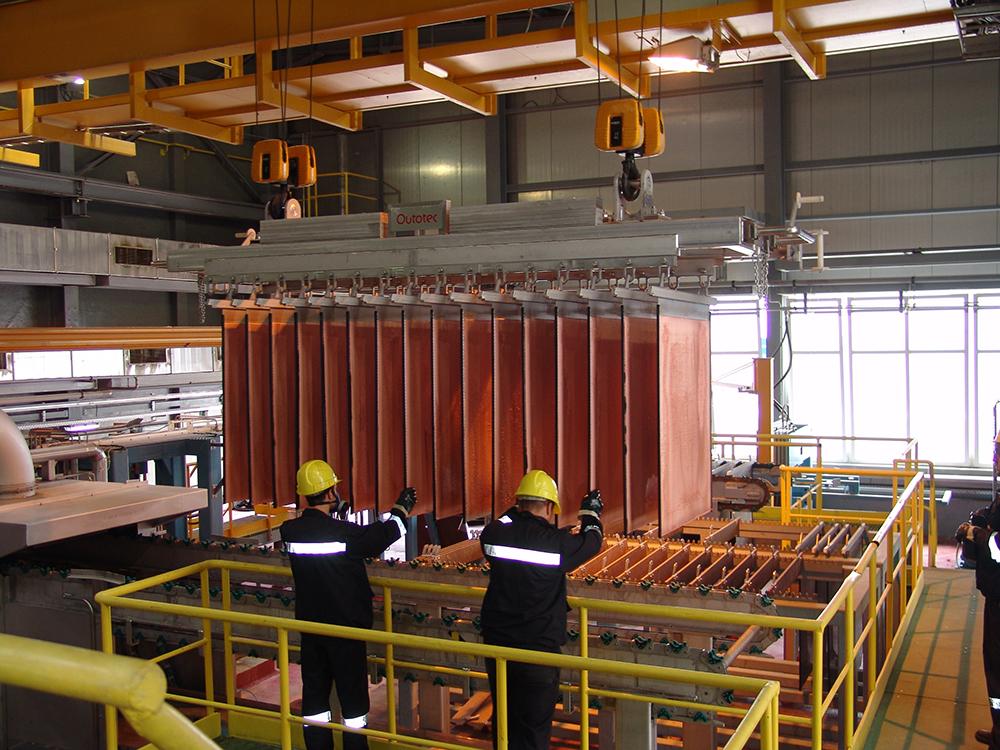 up to 15 million tonnes of ore per year are processed at one of the lowest average copper grades in the world—0.27% or two to three times lower than the levels typical of global mining practice. The copper flotation concentrate produced contains about 22% copper and serves as a commodity for smelters, including our long-standing partner Aurubis Bulgaria in Pirdop. As a by-product, Asarel-Medet JSC also produces cathode copper with a purity of 99.99% Cu—a stock-exchange product obtained from copper pregnant solutions in a Solvent Extraction and Electrowinning Plant.
Once the red metal leaves the mining facilities and smelters, its finds its way into all sectors of the economy, where it is widely used in technology, digital solutions, and everyday life. Copper is almost indispensable wherever electrical energy is generated, transformed, transmitted or used. In modern civilization, it is essential for power grids, computers, televisions, smartphones, vehicles, cables, data centers, and artificial intelligence infrastructure.
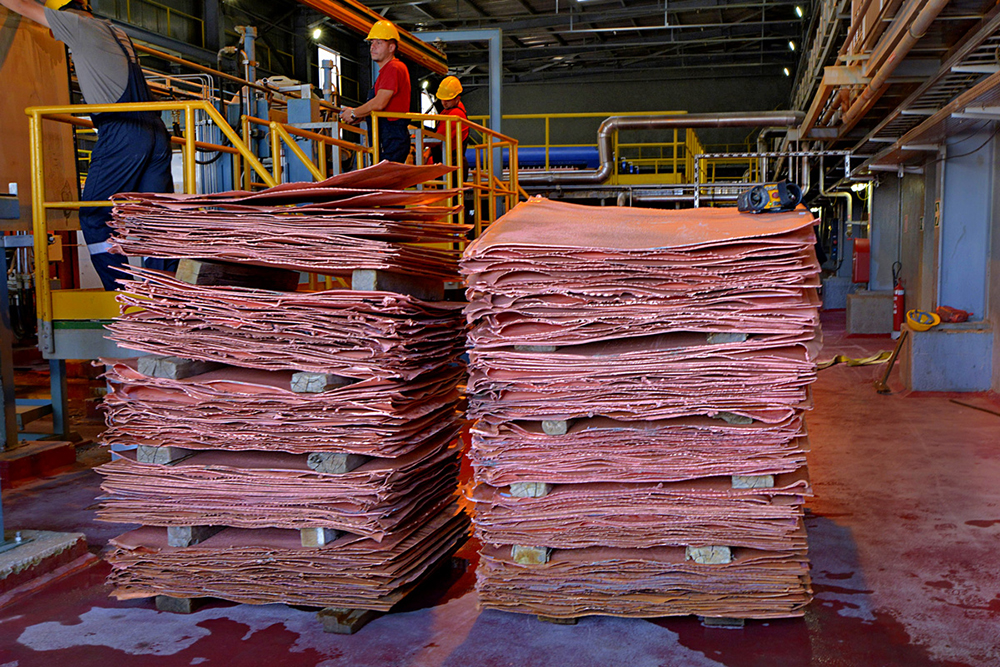
Copper is a fundamental commodity for the development of other industries and an indicator of economic vitality. In 2024, the Bulgarian Chamber of Mining and Geology announced a forecast that demand for critical raw materials in the European Union will increase by around six times by 2030 and nearly fifteen times by 2050 compared to current levels, driven by the green economy, digital technologies, and defense. For example, an electric vehicle requires approximately 80 kg of copper, which is four times more than the copper content of a gasoline or diesel car, while electric buses contain about 400 kg of copper, or ten times more than conventional buses.
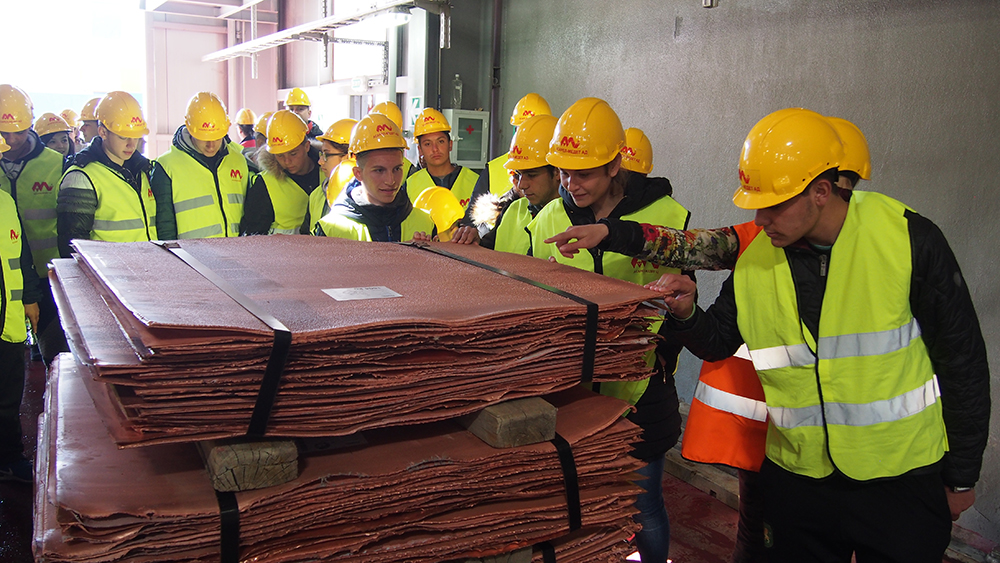
The global lag in the pace of new geological exploration, combined with the need for intensive metal extraction to support the green transition, will pose a major professional challenge for future generations of mining specialists and will further position mining companies as an even more powerful driver of innovation.